

June 5, 2023
Considering microneedling?
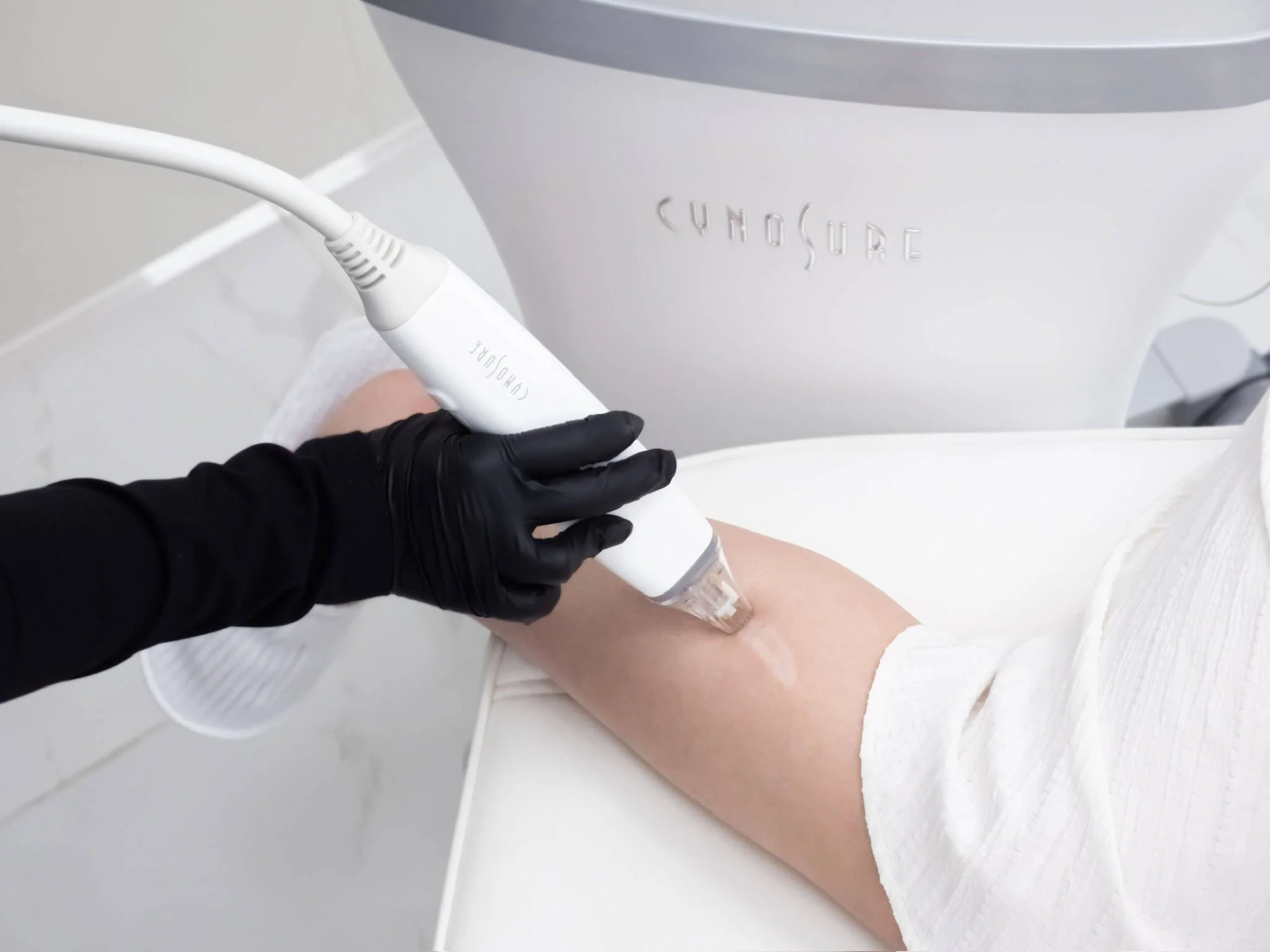
Microneedling uses small needles to puncture the skin and stimulate a healing response. It is sometimes called collagen induction therapy. Potential improvements depend on the skin concern, device and treatment approach. If you are exploring microneedling in Fort McMurray, use this guide to prepare questions about benefits, suitability, risks and aftercare.
Potential benefits for scars and fine lines
The American Academy of Dermatology describes microneedling as an option for making some scars and wrinkles less noticeable. It may also improve the appearance of uneven skin texture. An assessment helps identify which concern is being treated and whether the proposed approach is appropriate; improvement is not guaranteed.
Skin texture and pigmentation goals
Changes in pores, dark spots or skin tone need an individual discussion rather than a promise of a flawless complexion. Ask what is causing the concern, which options are available and how progress would be assessed. Before-and-after examples should reflect the same concern and a comparable treatment approach.
Standard and RF microneedling differ
Standard microneedling creates small punctures mechanically. Radiofrequency (RF) microneedling also delivers energy that heats tissue through the needles. These approaches work differently and have different risks. Skinns Cosmetics lists Potenza RF microneedling among its services. Ask which device and technique are proposed for you rather than assuming that general microneedling information applies to every treatment.
Suitability needs an individual assessment
Microneedling is not suitable for everyone. Share your medical history, medicines, allergies, healing problems and previous skin treatments with a qualified health care provider. Ask whether any of these factors affect your suitability or require treatment to be postponed. Skin tone alone does not establish that a procedure is appropriate for you.
Possible side effects and RF risks
Microneedling can cause redness, discomfort, bruising or bleeding. Infection and changes in pigmentation are also possible. For RF microneedling, the U.S. FDA reported serious complications with certain uses in its October 2025 safety communication, including burns, scarring, fat loss and nerve damage. Discuss the risks of the specific procedure and alternatives with a licensed health care provider trained and experienced in RF microneedling.
Results develop over time
Microneedling improvements can develop gradually, and a series of treatments or maintenance may be proposed. Results vary and can fade over time. Ask when progress should be reviewed, how many appointments may be needed and what happens if the response falls short of your goals. Microneedling does not stop natural aging.
Aftercare and recovery planning
Recovery varies with the procedure and your skin response. Ask for written preparation and aftercare instructions, including when to resume makeup, skin care and regular activities. Confirm whom to contact if you are concerned about your recovery and how complications would be assessed. Plan appointments around the recovery guidance provided for your treatment.
Skin care products need guidance
Do not assume that puncturing the skin makes every serum or cream safer or more effective. The FDA has not cleared microneedling devices for use with another product. Ask your provider which products are appropriate before and after the procedure, and when to restart them.
Provider, device and cost questions
Before agreeing to treatment, ask who will perform it, what qualifications and device-specific training they have, and how equipment hygiene is managed. Request a written estimate covering the proposed course, follow-up and any additional charges. A useful consultation should explain the likely benefit, limitations, alternatives and risks in terms you understand.
Explore options in Fort McMurray
Review the Potenza RF microneedling service and contact Skinns Cosmetics to ask about available appointments, provider qualifications and assessment. You can also view booking options on WellnessLiving.
Further reading: American Academy of Dermatology microneedling guide, FDA benefits and safety information, and FDA RF microneedling safety communication.